
Post-Rehabilitation Training: Staying Pain Free Through Strength Training After Physical Therapy in Bend

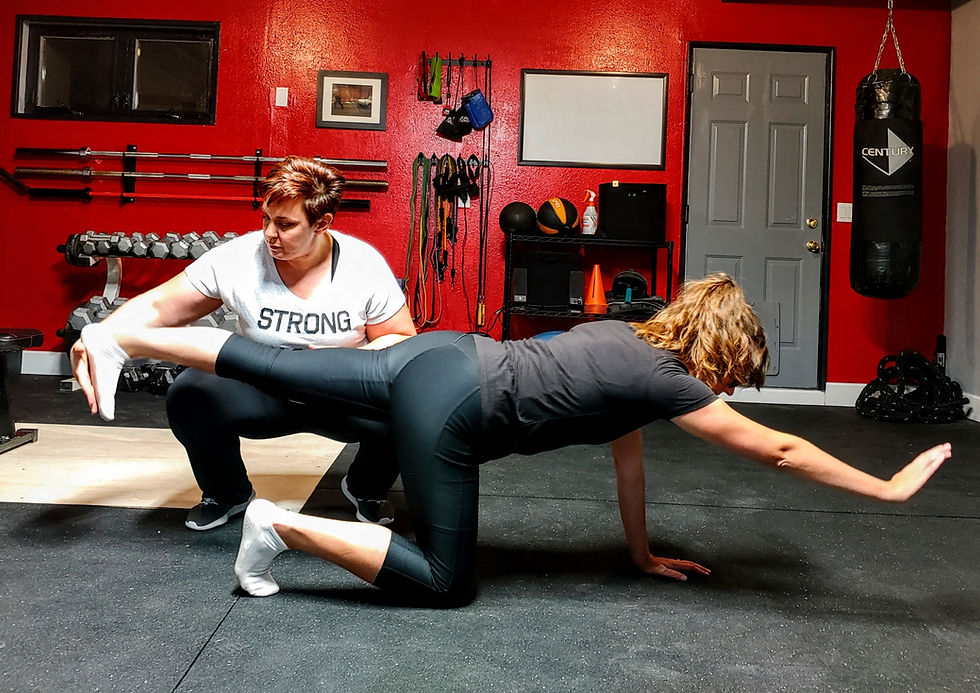
Finishing physical therapy is a major milestone. Pain has decreased, movement has improved, and you are finally beginning to feel more like yourself again.
But for many people, this is where a new challenge begins.
You may be cleared to leave rehab, but still not feel fully confident returning to hiking, lifting, skiing, running, or simply living an active life without fear of reinjury. This is where post-rehabilitation training becomes incredibly valuable.
What Is Post-Rehabilitation Training?
Post-rehabilitation training is personal training that bridges the gap between physical therapy and full return to activity.
Physical therapy is designed to help you recover from injury, reduce pain, and restore basic function. Once those goals are met, many people are discharged even though they still have lingering weakness, reduced mobility, poor movement patterns, or decreased confidence.
Post-rehabilitation training picks up where the physical therapist left off. It focuses on rebuilding:
Strength
Stability
Mobility
Coordination
Endurance
Power
Confidence in movement
The goal is to become resilient enough to handle the physical demands of everyday life and the activities you enjoy. Being resilient in this context means you have developed a robust physical foundation that allows you to navigate daily tasks, such as carrying groceries, climbing stairs, or engaging in recreational sports, without experiencing undue fatigue, discomfort or reinjury.
Why Many People Still Struggle After Physical Therapy
Rehabilitation is frequently constrained by factors such as insurance coverage, the number of appointments, or the extent of physical therapy. While a physical therapist can assist in restoring function, these restrictions might prevent adequate preparation for heavy lifting, recreational sports, or high-intensity exercise.
As a result, many people finish rehab but still feel hesitant to fully trust their body.
They may:
Avoid certain movements
Feel stiff or weak
Reinjure themselves repeatedly
Experience recurring aches and pains
Stop exercising altogether because they are afraid of making things worse
This is where intelligent strength and movement training can make a tremendous difference.
What Does Strength Training After Physical Therapy in Bend Look Like?
A good post-rehabilitation program is highly individualized and follows the same rehabilitation principles used by physical therapists.
Rather than jumping immediately into intense workouts, training is carefully progressed based on:
Injury history
Current movement capacity
Pain levels
Strength deficits
Mobility limitations
Lifestyle goals
Exercises are selected and modified to help restore function while gradually rebuilding tolerance to movement and load.
This may include:
Strength training
Stability work
Mobility exercises
Balance and coordination drills
Breathing and core control
Gradual exposure to previously painful movements
Improving the body's ability to produce force quickly.
The process should be strategic and challenge the body appropriately without overwhelming it.
Good Coaches Work Alongside Rehabilitation Professionals
Strength training after physical therapy in Bend works best when coaches and healthcare providers communicate and collaborate.
A qualified coach understands:
How to respect medical limitations
When to modify exercises
How to progress safely
When to refer back to a medical professional
Post-rehabilitation does not replace physical therapy. It continues the progress accomplished during rehab and helps clients return to meaningful activity with confidence.
Strength Builds Resilience
Many people believe they need to completely “fix” their body before they can begin training.
In reality, smart training is often part of the solution.
When properly programmed, strength training can:
Improve joint stability
Increase muscle support around injured areas
Improve balance and coordination
Increase tolerance to daily activity
Reduce fear of movement
Improve long term physical resilience
The body adapts to appropriate stress. Avoiding movement entirely often leads to further deconditioning and frustration.
Post-Rehabilitation Training Is About Returning to Life
The ultimate goal of post-rehabilitation training is helping people return to the activities that matter most to them:
Playing with their kids or grandkids
Hiking in Central Oregon
Skiing and mountain biking
Gardening without pain
Feeling confident in their body again
Staying strong and independent as they age
At UpLift Training Bend, we firmly believe that intelligent coaching serves as a critical link that can effectively bridge the gap between rehabilitation and the achievement of long-term performance, health, and confidence. This philosophy is deeply rooted in our understanding of the human body and its capabilities, recognizing that the journey toward optimal health, pain-free movement and athletic performance is often non-linear and requires a tailored approach. We are dedicated to providing the tools, resources, and support necessary for our clients to thrive, fostering a community where everyone can achieve their goals and unlock their full potential.
Ready to continue on your recovery journey? Book your free 30-minute consult today!

Comments