
Strength Training After 65: 7 Signs You Shouldn't Ignore


If daily tasks are becoming more difficult than before, you're not alone. Many individuals over 65 believe that declining strength, balance, and energy are just natural aspects of aging. Although aging does lead to physical changes, many of these difficulties are not directly due to age but rather to a gradual decrease in muscle, strength, and power.
The good new? Participating in a strength program after the age of 65 is among the most effective methods to preserve your independence, enhance your balance, lower your risk of falls, and keep enjoying the activities you love.
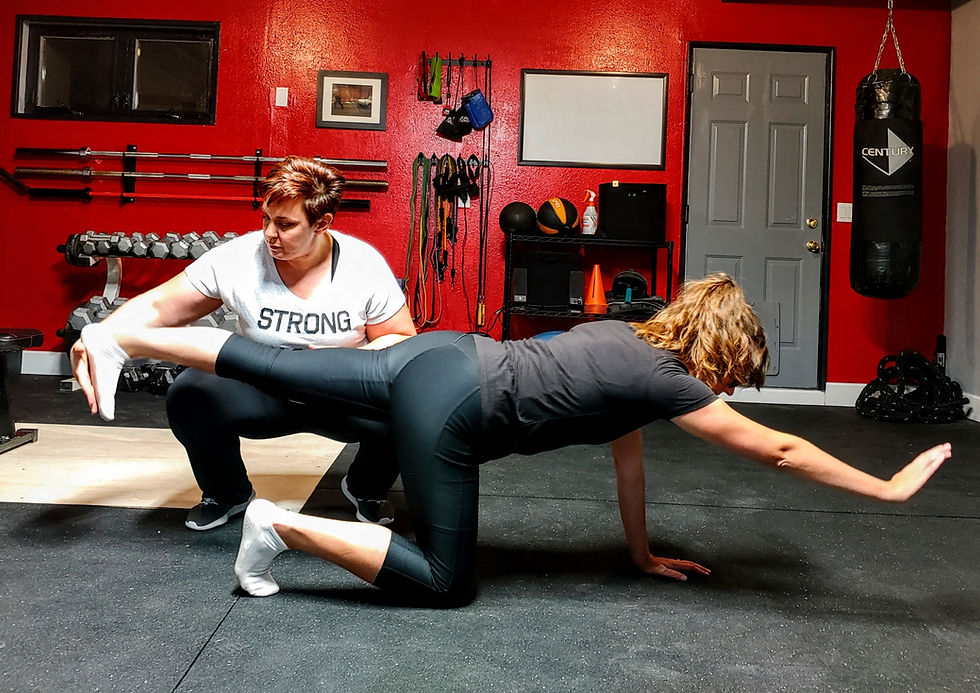
At UpLift Training in Bend, Oregon, we help older adults build strength safely through expert coaching and individualized programming. Here are seven common signs that it may be time to start strength training.

1. You Feel Unsteady on Your Feet or Have Fallen Recently

Feeling unsteady while walking or worrying about falling is one of the clearest signs your body could benefit from strength training. This sensation of instability can manifest in various ways, such as a slight wobble when navigating uneven surfaces or a reluctance to engage in activities that require balance, such as climbing stairs or participating in recreational sports. These feelings can lead to a more sedentary lifestyle, which can further exacerbate the issue, creating a cycle of decreased activity and increased fear of falling.
Many people attribute poor balance to the natural aging process, but that's only part of the picture. While it is true that aging can contribute to a decline in balance, it is essential to recognize that balance is influenced by a combination of factors. These include muscle strength, flexibility, proprioception (the body's ability to sense its position in space), and even mental focus. As we age, our bodies undergo various changes that can affect these factors, but with proactive measures, it is possible to counteract many of these effects.
Good balance depends on strong legs, a stable core, healthy hips, quick reaction time, and the ability to produce force quickly if you trip. Each of these elements plays a crucial role in maintaining stability during movement.
As we grow older, we naturally experience a reduction in muscle mass and strength, which makes it more difficult to regain balance after a stumble, potentially leading to a fall. This loss of muscle strength is often paired with a decrease in bone density, heightening the risk of fractures if a fall occurs. These factors underscore the significance of keeping up with regular strength training to counteract age-related changes. An effective strength training routine enhances lower-body strength, coordination, stability, and confidence, thereby reducing the risk of falls and enabling safer movement.
2. You Have to Push Yourself Out of a Chair

Do you automatically place your hands on the armrests of a chair, your thighs, or a cane before standing up? This seemingly simple action can reveal a lot about your current physical condition and mobility. Many individuals, especially as they age, find themselves instinctively reaching for support as they prepare to rise from a seated position. This behavior often indicates a reliance on external aids to assist with the transition from sitting to standing, which can be a sign of underlying weakness in certain muscle groups.
Standing from a chair requires the coordinated effort of the quadriceps, glutes, and core muscles to provide the necessary strength and stability to lift the body from a seated position. When these muscles begin to weaken due to inactivity, age, or injury, individuals may find themselves struggling to stand without assistance. Consequently, the arms, which are not primarily designed for this type of movement, start to take on more of the load, leading to potential strain and discomfort.
Engaging in strength training is a highly effective way to restore and enhance lower-body strength, making the act of standing up less taxing on the body. Strength exercises that target the quadriceps, glutes, and core, individuals can significantly improve their muscle strength and endurance, translating to greater ease in performing one of life's most common movements and reducing the need for external support.
3. You Pull Yourself Up the Stairs

If climbing stairs leaves you pulling on the railing or leaning forward to gain momentum, your legs may be telling you they need to get stronger. This reliance on external support can indicate that your lower body muscles are not functioning at their optimal capacity, which can lead to feelings of instability and fatigue during what should be a straightforward activity. It's important to recognize that stair climbing is not just a simple act of moving from one level to another; it is a complex physical challenge that engages multiple muscle groups and requires a certain level of fitness.
Stair climbing requires strength, balance, and power from your hips, thighs, calves, and core. Each step you take involves a coordinated effort from these muscle groups to lift your body weight against gravity. As you ascend, your hips and thighs bear the brunt of the effort, while your calves assist in pushing off. Additionally, your core muscles play a crucial role in stabilizing your body, maintaining proper posture, and preventing excessive leaning or swaying, which can lead to injury.
Because muscular power declines faster than strength as we age, stairs often become one of the first places people notice changes. Strength training builds both strength and power, counteracting the natural decline in muscle mass and function that occurs with age. Maintaining muscle mass, function, strength and power means continuing to navigate stairs with ease.
4. Carrying Groceries From the Car Feels Difficult

Carrying groceries should be an everyday task, not a workout. In our busy lives, we often find ourselves juggling numerous responsibilities, and the simple act of transporting groceries from the store to our homes can sometimes feel overwhelming. However, it is essential to recognize that this routine activity is not merely a chore but also a fundamental movement that engages various muscle groups in our bodies.
When we think about carrying groceries, we often focus solely on the weight of the bags, but the effort involved is much more complex. This activity requires grip strength, shoulder stability, upper back strength, core stability, and strong legs. When these muscle groups weaken due to inactivity, age, or lack of strength training, even moderate loads begin to feel heavy and cumbersome, turning a simple task into a daunting challenge.
Strength training prepares your body for real-life activities so carrying groceries, lifting laundry baskets, moving boxes, and gardening become easier again. Engaging in a regular strength training regimen not only builds muscle but also enhances endurance and functional strength, which translates directly into daily tasks.
5. Your Joints Feel More Stiff or Painful

Many seniors shy away from exercise due to concerns that it might worsen their joint pain. This hesitation is understandable, as joint discomfort can be a significant barrier to physical activity. However, it is important to recognize that engaging in appropriate and tailored exercise routines, particularly strength training, can often alleviate joint discomfort rather than exacerbate it. In fact, the right kind of exercise can be a powerful tool in managing pain and improving overall physical health.
Strong muscles play a crucial role in supporting your joints and absorbing more force during movement, which in turn reduces stress on your knees, hips,
shoulders, and back. When the muscles surrounding these joints are strong, they help to stabilize them, allowing for smoother and more controlled movements. This reduction in stress can lead to decreased pain levels and a greater range of motion, enabling seniors to engage in daily activities with more ease and less discomfort.
The aim of strength training for seniors extends beyond just building stronger muscles. Resistance training enhances mobility, posture, movement quality, and circulation, which can alleviate stiffness and enhance overall comfort. Furthermore, it allows seniors to maintain their independence, because they can perform tasks such as walking, climbing stairs, and bending down with more confidence and less fear of injury.
6. Your Energy Levels Have Declined

Feeling tired all the time isn't always a normal part of aging. While it is common for individuals to assume that fatigue is simply a byproduct of getting older, it is essential to recognize that persistent tiredness can signal underlying lifestyle factors. Many older adults experience fatigue, but this does not mean it is an inevitable consequence of aging.
As muscle mass decreases with age (a condition known as sarcopenia), simple daily activities can become increasingly challenging and require significantly more effort than they did in earlier years. This loss of muscle mass can lead to a decrease in strength and endurance, making tasks that were once routine, such as walking through the grocery store, climbing stairs, cleaning the house, or even playing with grandchildren, feel more physically demanding and exhausting.
As the energy required for daily tasks increases, these tasks can create a cycle of exhaustion. Due to the fatigue they experience, individuals may feel less inclined to engage in physical activities, heightening their risk of sarcopenia and making these activities demand even greater effort.
Participation in a strength training program breaks this cycle by increasing muscle mass, improving endurance, and helping your body perform everyday tasks more efficiently. Many older adults find they have significantly more energy within just a few months of consistent training.
7. Reaching Into Overhead Cabinets Is Becoming Difficult

If putting dishes away or reaching into kitchen cabinets feels uncomfortable, weakness and reduced mobility may be contributing factors that hinder your ability to perform these everyday tasks efficiently. Many individuals may not realize that seemingly simple actions can become challenging when the body is not functioning optimally. The discomfort experienced during these movements can serve as a signal that your body is in need of attention and care.
This movement requires healthy shoulders, upper back strength, core stability, and good posture, all of which are essential components for performing overhead tasks with ease. Healthy shoulders allow for a full range of motion, while strong upper back muscles support proper alignment and stability. Additionally, core stability plays a crucial role in maintaining balance and control during these movements. Good posture, which is often overlooked, ensures that the body is aligned correctly, reducing the risk of strain and injury.
As these areas weaken due to factors such as aging, sedentary lifestyles, or previous injuries, overhead movements become increasingly difficult and can even lead to discomfort or pain. Engaging in a comprehensive strength training program specifically designed to target these areas can significantly improve shoulder stability, posture, mobility, and upper-body strength, counteracting the effects of muscle deterioration and reducing the probability of the onset of pain associated with weak muscles.
Why Strength Training Matters After 65

Strength training is about much more than just building muscle; it encompasses a holistic approach to maintaining your independence and enhancing your overall well-being. It plays a crucial role in empowering individuals to confidently engage in daily activities that are often taken for granted. Imagine the freedom of being able to climb stairs without hesitation, the ease of carrying groceries without strain, and the joy of traveling without the fear of fatigue. Furthermore, strength training enables you to enjoy gardening, hiking, and playing with your
grandchildren, allowing you to actively participate in the life you cherish and love. These activities not only contribute to physical health but also foster mental and emotional well-being, creating a fulfilling and vibrant lifestyle.
Research consistently shows that strength training for older adults can improve muscle mass, bone density, balance, mobility, reaction time, confidence, and overall quality of life. One systematic review published by the National Library of Medicine showed that 20 to 30 minutes of strength training, 2 to 3 times per week, had positive effects on risk factors for cardiovascular disorders, cancer, diabetes, and osteoporosis. Strength training was also effective in combatting sarcopenia, improving postural control, and enhancing motor function (Mayer et. al, 2011).
Beyond the physical gains, strength training has been linked to increased confidence and self-esteem. As individuals witness their own progress, they often experience a boost in their self-image and a more positive outlook on life. This newfound confidence can lead to a greater willingness to engage in social activities, pursue new hobbies, and maintain meaningful connections with others.
Ultimately, the benefits of strength training extend far beyond the gym or workout sessions. It is a powerful tool that can enhance the overall quality of life, regardless of age. The notion that strength training is only for the young or the athletic is a misconception. In reality, no matter your age, your body has the capacity to become stronger. By incorporating strength training into your routine, you are not just building muscle; you are investing in a healthier, more independent future where you can continue to enjoy all the activities that bring you joy and fulfillment.
Why Seniors in Bend Choose UpLift Training

If you've been searching for strength training for seniors in Bend, Oregon, UpLift Training was built with you in mind.
Unlike traditional gyms, we don't believe in one-size-fits-all workouts. Every exercise is selected based on your current abilities, mobility, previous injuries, and goals. Our experienced coaching, small class sizes, and supportive community allow you to train safely while steadily becoming stronger.
Whether your goal is preventing falls, reducing joint pain, improving balance, or simply keeping up with your family, we're here to help you succeed.
Join Our Ageless Strength Class Beginning September 15
If you're ready to feel stronger, move with more confidence, and maintain your independence for years to come, we'd love to welcome you.
Ageless Strength is UpLift Training's small-group strength training class designed specifically for adults ages 65 and older.

Beginning Tuesday, September 15, you'll build strength, improve balance, increase mobility, and gain confidence in a supportive environment led by expert coaching.
You don't need previous gym experience.
You simply need the willingness to take the first step.
Your strongest years may still be ahead of you.
Reference:
Mayer F, Scharhag-Rosenberger F, Carlsohn A, Cassel M, Müller S, Scharhag J. (2011) The intensity and effects of strength training in the elderly. Dtsch Arztebl Int. 108(21):359-64. doi: 10.3238/arztebl.2011.0359.


Comments