
Mobility and the Core

Has a physical therapist ever told you that “proximal stability leads to distal mobility.” This simply means that good mobility in the limbs starts with good stability in the core. A strong, stable core positions the trunk of the body for smooth, coordinated movement in the limbs. Without good control of the core, movement, especially sport related movement, places undue stress on the various tissues of the body, leading to injury (both acute and repetitive) and pain.
So let’s take a closer look at the core. Core stability is a result of a few things coming together:
Muscular balance between opposing muscles allows for proper alignment of the spine, which looks like a flatter version of an “S.” Too much or too little curvature in either the lower or upper back can cause less activation in the muscles of the limbs that should be working, and overworking muscles that compensate for those inhibited muscles.
Our core is the foundation of our movement. It needs to be strong enough to support the stress placed on it when we move our limbs.
Proper breathing mechanics. We were born abdominal breathers, but over time, many of us switch to breathing into our chest. This actually affects the stability in our core, especially in those of us who participate in hard physical activities, such as lifting or throwing heavy objects and running.
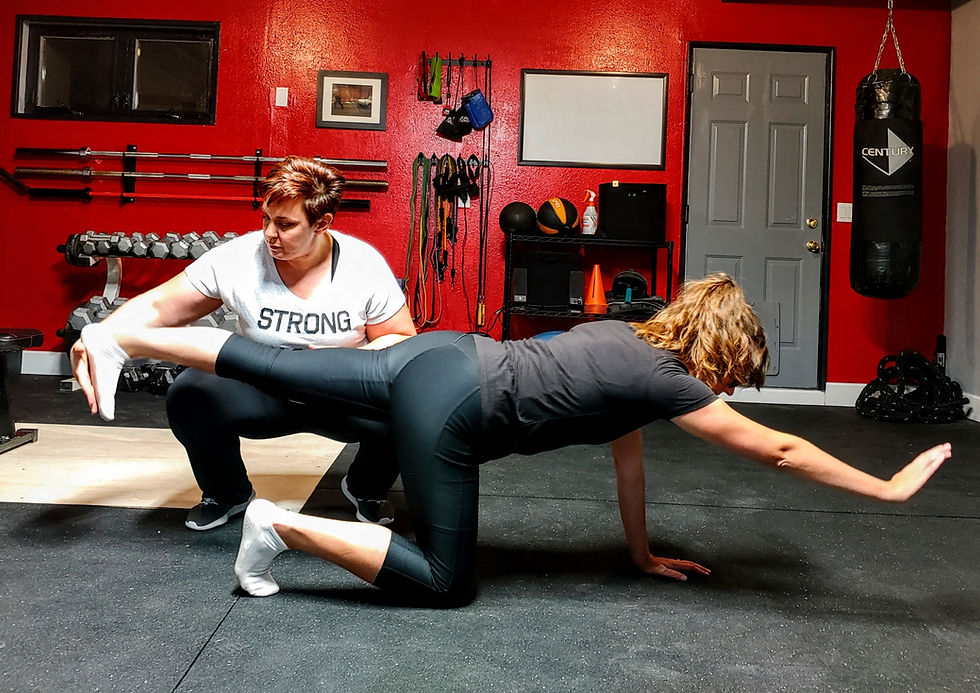
This is why I often start a session with breathing and core exercises. It activates the core musculature and prepares it for harder activity.
Good core stability doesn’t just benefit athletes, though. It helps us maintain mobility as we age, decreasing the risk of falls and improving our ability to stay independent.


Comments